Why Heat Treatment Stands as the Ultimate Solution for Bed Bugs: Importance and Advantages
Bed bugs have emerged as a widespread concern in countless residences, leading to substantial unease and stress. Traditional pest control methods often fall short, permitting resistant groups to remain. Heat treatment offers a compelling alternative, effectively targeting all life stages of bed bugs in a single session. This approach not only eradicates pests but also tackles health and ecological considerations. Exploring the specifics of heat treatment explains why it distinguishes itself from other pest control methods. What sets it apart as such a reliable solution?
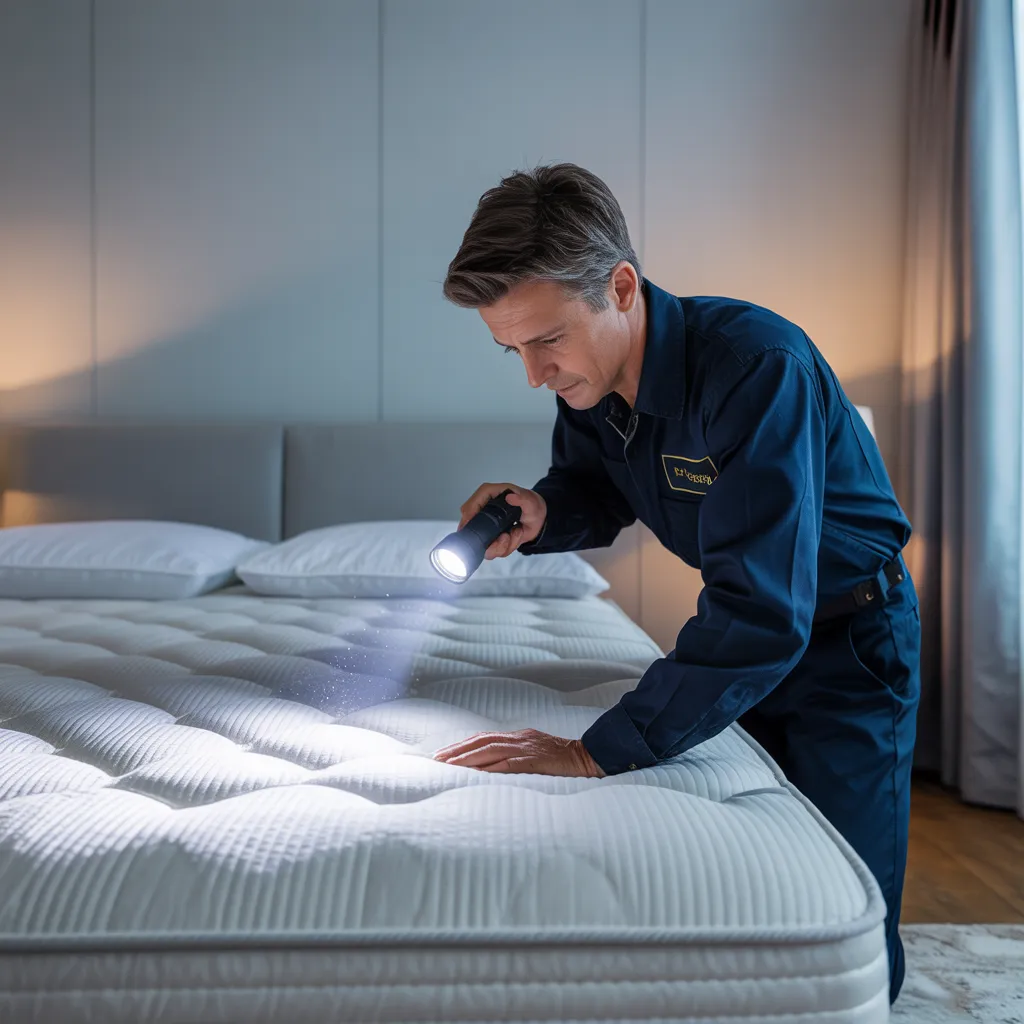
The Relentless Threat of Bed Bugs
Although bed bugs were once nearly eradicated, they have undergone a remarkable revival in recent years, turning into an ongoing challenge for many households and businesses. These tiny, reddish-brown insects are well known for their capacity to reproduce quickly and adapt to various environments. Their comeback is primarily linked to rising worldwide travel activity, allowing them to hitch rides on luggage and clothing.
Once they infest a space, bed bugs can be difficult to eliminate, typically demanding professional treatment. As nocturnal parasites, they subsist on human blood, causing distress and unease among those impacted. Bed bugs can significantly harm a business's standing, especially in the hotel and accommodation sector, where the comfort of guests is of utmost importance. Even though bed bugs are small, the effects of an infestation can be far-reaching, causing economic hardship and considerable emotional turmoil, underscoring the urgent need for effective treatment solutions.
How Does Heat Treatment Get Rid of Bed Bugs?
Heat treatment efficiently destroys bed bugs by subjecting them to elevated temperatures they are unable to survive. Typically, temperatures between 120°F and 140°F are employed to guarantee complete elimination. When bed bugs are subjected to these elevated temperatures, their biological processes are compromised, resulting in dehydration and eventual death.
Warmth permeates numerous surfaces, including mattresses, furniture, and carpets, ensuring that even hard-to-reach bed bugs and their eggs are targeted. This technique is effective because it targets all stages of life of bed bugs, from larvae to mature adults.
Unlike chemical-based treatments, which often leave harmful residues and demand several treatments, heat treatment delivers a faster and more effective solution. Moreover, it eliminates the need for dangerous chemical agents, rendering it a safer choice for homes and living spaces, especially those with young children or animals. In summary, heat treatment proves to be a comprehensive method for the complete removal of bed bugs.
Major Benefits of Heat Treatment for Bed Bug Extermination
Eliminating bed bugs via heat treatment delivers numerous advantages that differentiate it from typical pest control approaches. One significant benefit is its efficacy; heat treatment can destroy each life stage of bed bugs, including egg stages, in a solitary session. Compared to chemical treatments, which can necessitate multiple rounds and can result in resistant populations, heat treatment offers uniform results.
Moreover, the procedure is efficient, generally demanding only a couple of hours to accomplish full eradication, giving those inside to go back to their areas rapidly.
Heat treatment is additionally non-invasive, as it eliminates the need for chemical residues, making it suitable for sensitive environments such as households with children or pets. Furthermore, it minimizes the risk of reinfestation, as complete heating can reach into furniture and walls, targeting hidden bugs. Altogether, these benefits make heat treatment a superior option for effective bed bug eradication.
Environmental Advantages of Heat Treatment
Thermal treatment for bed bugs provides a chemical-free alternative to standard pest management methods. This approach not only successfully eradicates infestations but also considerably reduces toxic waste associated with chemical treatments. As a result, it provides a more environmentally friendly option for managing pest issues.
Non-Chemical Pest Management
An increasing number of homeowners are searching for efficient pest management strategies that focus on environmental responsibility. Heat treatment emerges as a pesticide-free option that successfully eliminates bed bugs without the use of harmful pesticides. This method utilizes high temperatures to reach furniture, carpets, and walls, ensuring thorough pest elimination. By selecting heat treatment, homeowners can shield their households and pets from the potential health risks associated with chemical residues. Furthermore, this sustainable solution lessens the environmental burden commonly associated with traditional pest control methods. With growing concern for sustainability, heat treatment provides an effective option for those committed to sustaining a safe and comfortable household while successfully controlling pest infestations.
Reduces Toxic Waste
Choosing heat treatment for bed bug extermination significantly decreases hazardous waste associated with traditional pest control techniques. In contrast to chemical sprays and pesticides, which often deposit harmful residues, heat treatment employs high temperatures to effectively destroy bed bugs and their eggs without introducing hazardous materials into the environment. This method not only limits the risk of chemical exposure to humans and pets but also contributes to a healthier ecosystem. As heat permeates furniture and walls, it provides thorough pest removal without the need for supplementary toxic substances. Consequently, implementing heat treatment supports eco-friendly practices, promoting sustainability while preserving public health. By choosing this solution, individuals can meaningfully engage in reducing their environmental burden while efficiently addressing bed bug infestations.
What Can You Expect During Heat Treatment?
During thermal treatment for bed bugs, thorough preparation is key to ensure both safety and efficacy. Residents should be prepared to follow particular instructions before the treatment begins, as well as engage in a post-treatment review to track outcomes. Understanding these steps can enhance the overall experience and effectiveness of the bed bug treatment.
Getting Ready Before Treatment
Prior to scheduling heat treatment for bed bugs, homeowners should be adequately prepared to ensure the process is effective. This preparation includes taking all objects out of the treatment area, such as electronics, clothing, and toys, to avoid harm caused by high temperatures. It is also essential to remove clutter, as this allows better airflow and ensures that heat covers all potential hiding places effectively. Homeowners should thoroughly vacuum to remove any visible insects and their eggs, sealing the vacuum bag tightly afterward. Additionally, pets should be moved to a safe location temporarily to protect their well-being. Finally, it is essential to share any specific issues or problem areas with the heat treatment specialists, providing a precise and thorough strategy to eradicating the bed bug infestation.
Post-Treatment Check-Up
Once adequate preparation is complete, homeowners can look forward to a comprehensive process during the bed bug heat treatment. The treatment generally takes several hours, during which professional equipment elevates the temperature in infested areas to a temperature that eliminates the pests. Technicians monitor the environment closely to confirm even heat distribution, reaching all possible hiding locations. Following treatment, it is critical for homeowners to avoid reintroducing items until the treated space has fully cooled. A subsequent inspection may be scheduled to verify the complete removal of bed bugs. Homeowners should stay alert for any indications of a recurrence and can contact specialists for supplementary treatments if needed. This preventive method strengthens the lasting efficacy of the heat treatment.
Getting Your Home Ready for Heat Treatment
Getting ready for heat treatment is vital to maximize its effectiveness against bed bugs. Homeowners should begin by tidying up rooms, removing items from floors, and ensuring that areas are available to the professionals. It is suggested to wash and dry bedding, curtains, and clothing on high temperature settings to eliminate any concealed insects or eggs. Household furniture should be shifted away from walls, and electric outlets should be cleared to facilitate optimal heat dispersal.
Furthermore, pets should be relocated for their protection, and plants could need to be repositioned or protected. Residents ought to also clear out any items that may spoil from the space to avoid spoilage. It is vital to alert the heat treatment professionals about any individual concerns, such as previous infestations or sensitive items. Carrying out these preparatory actions not only assures a complete treatment process but also enhances the likelihood of complete bed bug eradication.
Common Questions and Answers
What Is the Typical Duration of Heat Treatment?
Thermal treatment for bed bugs generally needs anywhere from six to eight hours to finish. The duration may vary based on the infestation's severity corresponding information and the treated area's size, guaranteeing ideal temperature reaches all impacted areas.
Is Heat Treatment Safe for Children and Pets?
Thermal heat treatment is commonly safe for children and pets when conducted properly. Experts ensure that the surroundings are closely observed, minimizing risks. However, it is recommended to have pets and children vacate the area during the treatment process for extra precaution.
Can Heat Treatment Damage My Furniture or Belongings?
Thermal treatment typically does not damage furniture or belongings if properly monitored. That said, vulnerable items such as electronics or certain fabrics may be at risk. It is recommended to speak with professionals for precautions tailored to specific situations.
Does Heat Treatment Keep Future Bed Bug Infestations Away?
Heat treatment effectively eliminates existing bed bugs but does not guarantee prevention of future infestations. Ongoing surveillance and preventative steps, such as regular inspections and maintaining cleanliness, are essential for long-term bed bug control.
What Is the Typical Cost of Heat Treatment?
Thermal treatment for bed bugs typically costs between $1,000 and $2,500, based on the severity of the infestation and the size of the property. Factors such as location and service provider may also influence the overall pricing.